Every Pachinko Machine Type, Explained
Hanemono, kenrimono, deji-pachi, smart pachislot — the five machine families on our floor and which one suits your play style.
 Yuki Tanaka
14 Sep
2026
6 min read
Yuki Tanaka
14 Sep
2026
6 min read
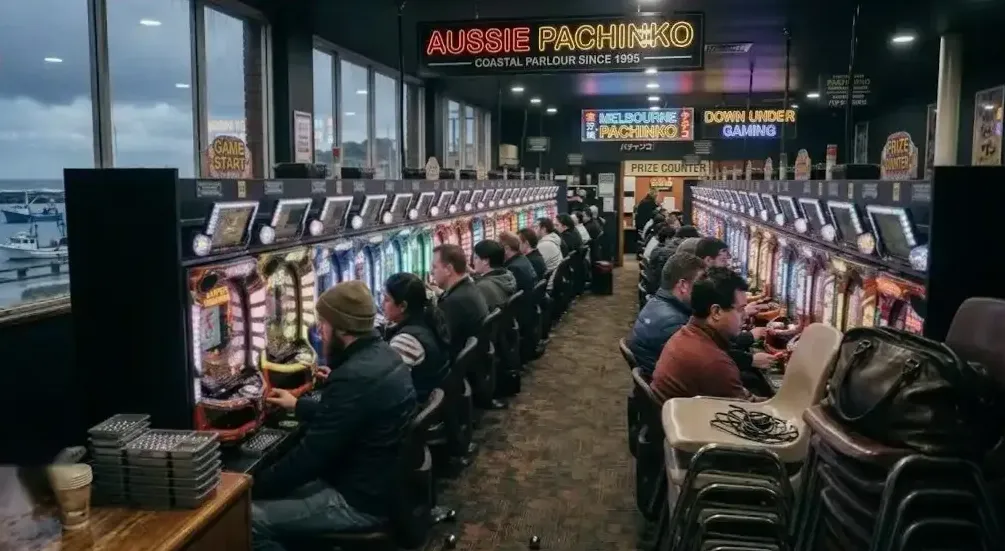
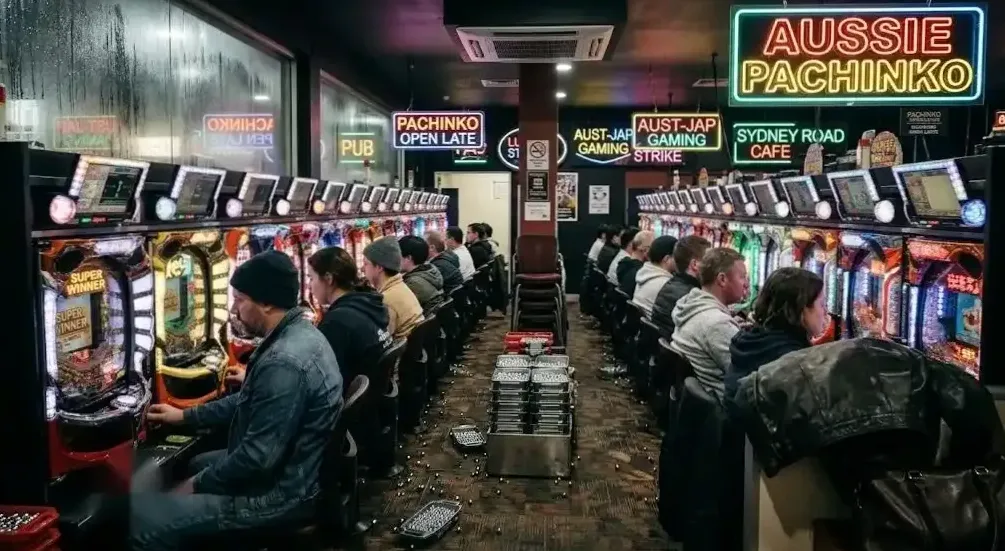
Walk our floor and you'll see a century of machine evolution in one glance — restored mechanical classics next to this season's digital flagships. Here's how the families differ and where to start.
Hanemono — the honest machine
The oldest living type: pure mechanics, a flapping 'hane' pocket, no screens. Balls either drop into the winged pocket or they don't. Hanemono machines are the jazz records of pachinko — warm, tactile, unforgiving in a way digital never is.
Our classics corner runs restored hanemono units from the 80s and 90s. They're slower, cheaper per tray, and — regulars will tell you — the best place to actually learn ball control, because nothing hides behind animations.
Deji-pachi and smart pachislot
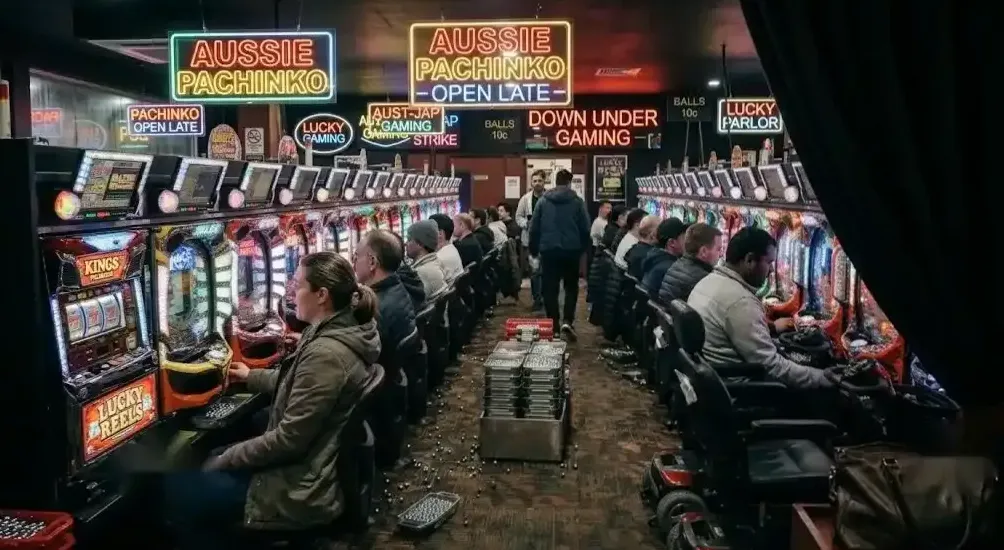
Digital machines (deji-pachi) dominate modern floors: video drums, licensed themes, multi-stage fever modes. The premium row in Hall A is all current-generation deji-pachi — Sankyo, Heiwa and Kyoraku titles within weeks of Japanese release.
Pachislot is pachinko's cousin — reel-spinning rather than ball-dropping, with deeper strategy in bonus timing. We run a dedicated pachislot bank for players who prefer reels to rails.
"New players always ask which machine is 'best'. The honest answer is the one you'll still enjoy at 11 PM."
Which family suits you?
Our coaches' matching guide — the same logic we use at the desk:
- Total beginner: classics corner hanemono — slow, cheap, honest.
- Casual fun: mid-tier deji-pachi in Hall B — spectacle without the stakes.
- Feature hunter: premium row deji-pachi — deepest bonus modes.
- Strategist: pachislot bank — timing and bankroll skill matter most.
- Purist: the 80s hanemono units — the game as it was meant to be.
Still unsure? The free lesson includes a machine match — our coaches watch you play for ten minutes and put you on the right unit.
FROM THE FLOOR
Every machine family has its champion on our board. Nobody agrees which is best — that's the point.


Written by
Yuki Tanaka
Head coach at Pachinko Luck Lounge. Certified across all major machine families; personally services the classics corner every morning.
If you only remember three things
01
Total beginner: classics corner hanemono — slow, cheap, honest.
02
Feature hunter: premium row deji-pachi — deepest bonus modes.
03
Purist: the 80s hanemono units — the game as it was meant to be.
Enjoyed this? Get the next one
Weekly journal posts — guides, culture and venue news, no spam.
Find your machine family
The free lesson includes a personal machine match — forty-five minutes, on us.